Margaret has come to believe that every good retirement village has its own quiet rituals.
A Quiet Observation
Not the kind that are written into brochures or printed neatly on weekly schedules, but the softer, more subtle patterns that reveal themselves only to those who take the time to notice. The rhythms that form between people, between places, between the hours of a day that are no longer rushed or dictated by urgency.
At Rob Roy, these rituals are everywhere, if you know where to look.
And one of the most intriguing, in Margaret’s opinion, unfolds every Tuesday morning at McGregor’s Café.
The Table That Chooses Its Own People
It begins, as most good things do, without announcement.
Just before ten, the café hums gently with its usual rhythm. Cups settle onto saucers, the soft murmur of conversation rises and falls, and beyond it all, the Valley of a Thousand Hills stretches out in quiet, unwavering presence.
Then, almost imperceptibly, it starts.
Peter is usually first. He arrives with a newspaper tucked neatly under his arm, orders his coffee with the familiarity of habit, and selects a table that, to any outsider, appears no different from the rest. He reads for a while, occasionally glancing up, as though expecting nothing in particular.
A few minutes later, Joan appears. She never makes a show of joining him. She simply pauses, greets him as though by coincidence, and takes a seat. There is always something in her handbag. Biscuits, most often. Occasionally something more ambitious. She places them between them with quiet generosity, as though it were the most natural thing in the world.
Barbara follows. She greets everyone warmly, insists she is only stopping briefly, and then settles in with the unmistakable ease of someone who has no intention of leaving anytime soon.
Others arrive in much the same way. Never all at once. Never formally. One by one, chair by chair, until the table is full.
Watching From Just Close Enough
Margaret noticed it in her first few weeks at Rob Roy.
She had taken to sitting slightly apart, not out of hesitation, but out of interest. There is a certain pleasure, she has found, in observing before participating. In understanding how a place works before stepping fully into it.
And this, she realised quite quickly, was something worth understanding.
There was no list. No invitation. No fixed arrangement. And yet, every Tuesday, without fail, the same table came to life.
She watched the way conversations unfolded, how they moved with an easy, unforced rhythm. They began lightly, almost always with the morning itself. The quality of the light. Whether the mist had lingered longer than usual in the folds of the valley. The subtle shifts in the gardens after a change in weather.
From there, the conversation expanded, never hurried, never strained. Books were discussed, often passed between hands the following week. Visitors were mentioned, grandchildren admired through stories rather than photographs alone. Plans were made, not in any structured sense, but in the gentle, open-ended way that comes from having time.
What struck Margaret most was not what was said, but how it was said.
There was space. Space to speak, certainly, but also space to pause. To listen. To allow a moment to settle before moving on. No one rushed to fill the silence, and because of that, the conversation felt fuller, more considered.
It took only a few Tuesdays before she found herself drawn closer. Not deliberately. Not with any particular intention.
The Chair That Shifted
One morning, she ordered her coffee and, quite naturally, chose a table just slightly nearer. The following week, nearer still.
And then, one Tuesday, quite without ceremony, a chair shifted.
Someone looked up and smiled. There was no question, no formality. Just a small, almost imperceptible adjustment that made space for her.
She sat down.
It was, she would later reflect, one of the simplest moments of her week, and yet one of the most significant.
There were no introductions required. Names were offered and remembered with ease. Conversation continued without interruption, expanding gently to include her as though she had always been part of it.
By the time her coffee had cooled, she was no longer observing.
She belonged.
The Subtle Art of Belonging
Since then, the Tuesday table has become a quiet anchor in her week.
Not an obligation. Not a commitment in the traditional sense. There are Tuesdays when she chooses to walk a little longer, or spend the morning in her apartment, or visit the library before the café fills. And yet, more often than not, she finds herself drawn back.
There is something about the familiarity of it. The way the same faces gather, not out of routine alone, but out of a shared appreciation for the moment itself.
The conversation is never the same twice, and yet it always feels recognisable.
One week, a discussion about travel unfolds into a series of stories that span decades and continents, each one more vivid than the last. Another week, a simple remark about the gardens leads to an impromptu exchange of gardening advice, with promises made to visit each other to admire progress.
Sometimes, the conversation drifts into laughter so easily that it feels actually quite laughable. At other times, it settles into something quieter, more reflective, as though the group understands instinctively when to allow space for stillness.
Margaret has come to appreciate that this is what gives the table its character.
It is not organised. It is not curated. It is not something that could be replicated by design.
It has grown, slowly and naturally, from the people who return to it.
Later in the day, as she walks back through the gardens, she often thinks about how these small rituals shape the experience of living here.
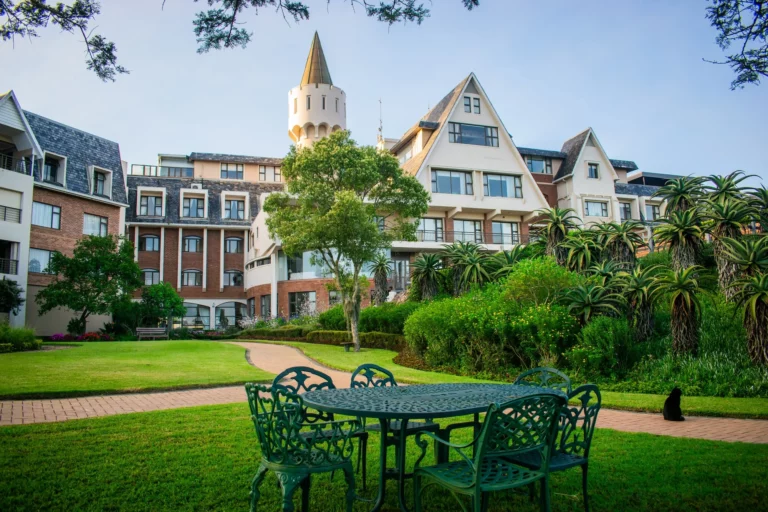
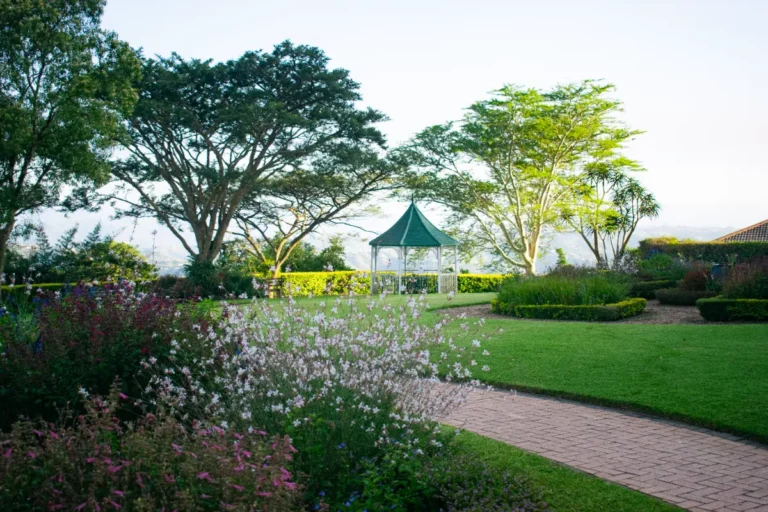
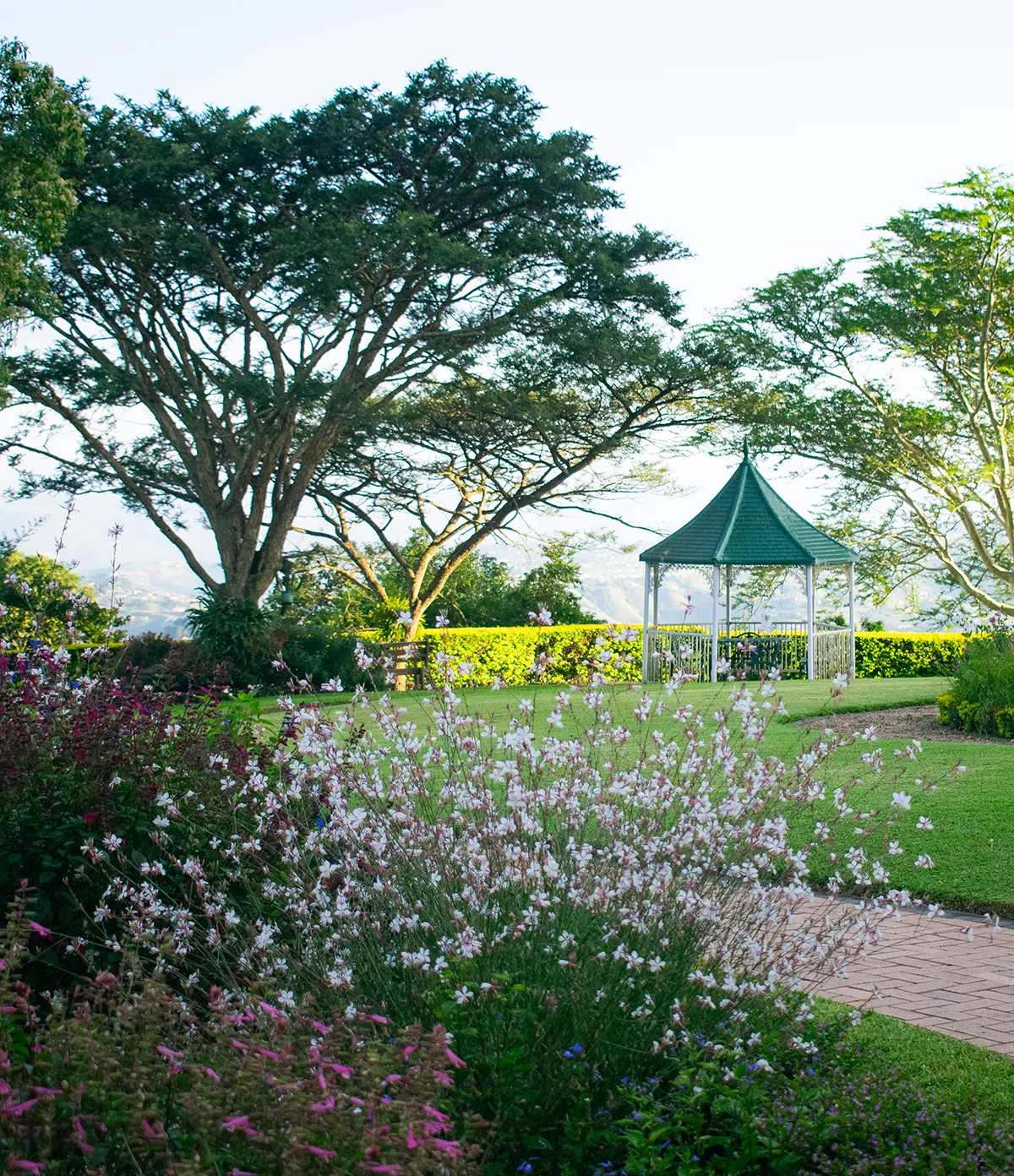
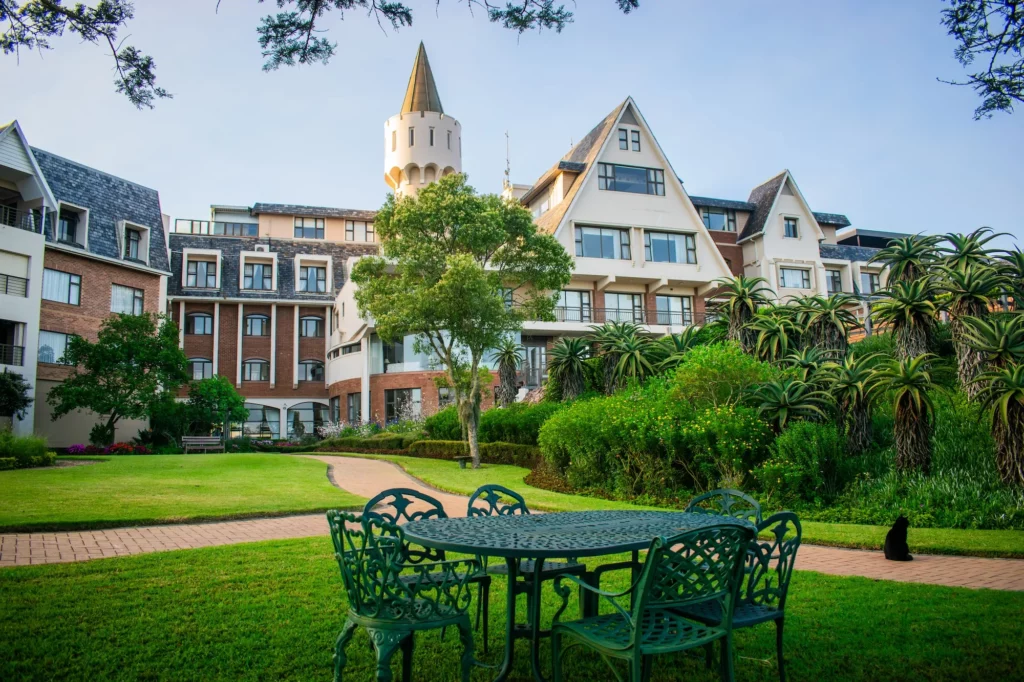
The pathways lined with trees, the benches positioned to capture the view, the gentle rise and fall of activity across the estate, all of it contributes, certainly. But it is these quieter moments, these unspoken traditions, that give the place its depth.
Rob Roy, she has found, is not defined solely by its amenities or setting.
It is defined by what happens between people.
By the ease of connection. By the absence of pressure. By the freedom to engage or observe as one chooses, without expectation. At Rob Roy, that balance feels particularly well held.
And So, Next Tuesday
The structure exists, of course. The café, the gardens, the shared spaces all provide a framework. But within that framework, there is room for something more organic to take shape. Something like the Tuesday table.
As the afternoon light begins to soften over the valley, Margaret pauses, as she often does, to take it in. The hills shift in colour, the sky opens wide above them, and the estate settles into its quieter rhythm.
She considers, not for the first time, how different her weeks feel now.
There is no sense of urgency. No pressure to account for every hour. And yet, the days are full in a way that feels intentional, shaped by choice rather than obligation.
The Tuesday table is a small part of that, perhaps, but a meaningful one.
A reminder that the most enduring aspects of a place are often the simplest.
A shared cup of coffee. A familiar group of faces. A chair that is quietly made available.
And the understanding, unspoken but certain, that when next Tuesday comes around, it will all unfold again in much the same way.